The Thomre: A Playful Chunky Display Font for Bold Branding
It was a quiet afternoon, the kind where your brand board feels empty and your creative energy is just simmering. I opened a fresh document, ready to test out The Thomre on a logo concept for a new boutique identity project. The moment I typed the first letter, I knew this font had something special.
A Chunky Display Font with Graffiti Flair
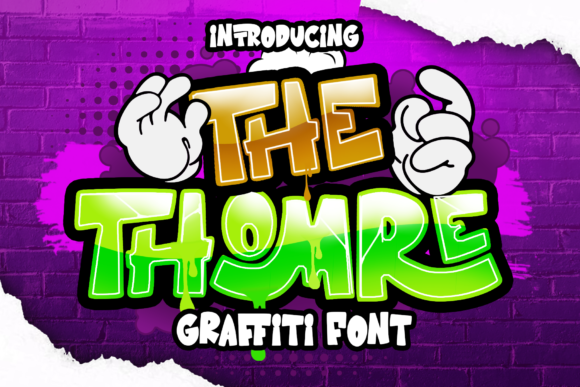
The Thomre is a chunky display font that immediately grabs attention. Its bold, exaggerated forms give it a playful graffiti look, making it perfect for creative projects that need to stand out. Unlike more traditional typefaces, The Thomre has a raw, edgy energy that feels like it was spray-painted onto a brick wall in a city alley.
Its visual characteristics are unmistakable—thick strokes, sharp angles, and a sense of movement. This font isn’t just about looking good; it’s about making an impression. It carries a mood that’s fun, rebellious, and slightly mischievous, which can be incredibly useful when you want to communicate a brand personality that's not afraid to be different.
Testing The Thomre in Real-World Branding Scenarios
I tested The Thomre across several branding elements to see how it performed in different contexts. On a logo draft, it brought a strong visual punch. The letters were large and expressive, allowing the brand name to become a statement rather than just text.
On a brand board, it worked well as a headline font, especially when paired with a clean sans serif for body text. In a packaging mockup, The Thomre looked great on a product label, adding a youthful, urban edge that fit perfectly with a skincare brand targeting younger audiences.
When I placed it on a business card, it felt too heavy for small sizes, but it still commanded attention. On a website header, it created a strong focal point without overwhelming the design. For social media graphics, it added a pop of character, especially on Instagram posts where visual impact is key.
Where The Thomre Shines and Where It Might Fall Short
The Thomre excels as a display font, headline font, or accent font. It’s best used for short phrases or logos where its boldness can shine. However, it might not be ideal for long-form body text due to its chunky nature. Small sizes could also reduce readability, so it’s important to test it at various scales before finalizing any client work.
For formal corporate use, it might feel too casual or even unprofessional. Projects that require a polished, classic look may find The Thomre unsuitable. That said, if the brand voice is modern, edgy, or youthful, this font can be a powerful tool for reinforcing that identity.
Font Pairing and Practical Tips
When pairing The Thomre with other fonts, consider using a clean sans serif or a minimalist serif to balance its boldness. For example, a sleek sans serif can provide contrast while keeping the overall design cohesive. If you're working on a more artistic or handcrafted brand, a script or handwritten font could complement The Thomre’s playful style.
Before using The Thomre in final client work, always test it in the context of the project. See how it looks on a shop sign, product mockup, or homepage hero section. Also, ensure you have the proper commercial font licensing if you plan to use it in brand identity, packaging, templates, merchandise, websites, or print-on-demand products.
Check if the font includes styles, alternates, ligatures, swashes, weights, and multilingual support. These features can enhance your design flexibility, especially if you’re creating assets for international markets or complex typography layouts.
Final Notes on Using The Thomre
The Thomre is a versatile chunky display font that adds a playful graffiti look to creative projects. Whether you're designing a logo, brand identity, packaging, or social media content, this font can bring a unique flair that sets your work apart.
As with any font, it’s important to use it wisely. Know when to let it take center stage and when to step back and let other elements shine. With thoughtful application, The Thomre can become a valuable asset in your design toolkit.